

Stories From Children and Families
Behind every statistic is a child.
These stories reflect what happens when corporal punishment is still considered a legal form of discipline. They are not isolated incidents. They reveal a pattern.
*Real events, although some names and
small details were changed for privacy

“My Dad Beat Me”
Amara’s Story
Amara is in seventh grade. She is a quiet, thoughtful child who sometimes needs extra time to process things. She lives with her father and rarely sees her mother. She meets regularly with a therapist, a place where she feels safe expressing herself.
One day, when her therapist asked how she was doing, Amara said quietly:
“My dad beat me.”
She explained that she had brought home a disappointing report card. In response, her father spanked her angrily and repeatedly.
Concerned, her therapist reported the incident to Child and Family Services.
But the agency would not take the report.
There were no bruises. No visible marks.
Without physical evidence, the case did not meet the threshold for investigation.
Even though this had become a pattern, the law still considered it discipline, not abuse.
Now Amara feels anxious both at home and at school. She tries to focus and do well, but she carries a constant sense of tension.
What happened to Amara is still legal in California.
“It Was Like He Was Possessed.”
Sam’s Story
Sam was nine years old and dreading going to a friend’s birthday party. At a previous party, he had clashed with another child and was still holding onto that frustration.
When he arrived, the same child made a rude comment — and Sam snapped. He threw a punch, and the situation escalated into a fight.
Later, the host’s mother called Sam’s dad.
“It was like steam was coming out of his head,” she said. “He had so much anger. I’ve never seen anything like it. It was like he was possessed.”
Sam’s dad was confused. His son wasn’t typically violent. Why had this escalated so quickly?
Four days later, the truth came out.
The day before the party, Sam’s mother had slapped him across the face. Sam described the slap as so hard that he wanted to cry.
Suddenly, it made sense.
Not knowing where to put the pain and anger from that experience, Sam had done what many children do. He turned it outward.
Concerned, Sam’s father contacted Child and Family Services.
He was told that a slap with an open hand did not meet the threshold for abuse and did not mean a report or an investigation was needed.
Sam’s pain was real. But the system did not recognize it as serious.
What happened to Sam is legal in California.
No One Said Anything
At a Human Health services office in San Francisco’s Civic Center, a 5-year-old boy was slapped in the face with a flip flop by his mother.
Right in front of everyone. With zero repercussions.
Sleepover Shock
Luke’s Story
Luke, a teenager from an affluent suburban family, had a friend sleeping over. Late that evening, his mother, a prominent doctor, yelled at him and slapped him in front of his friend for a mistake he made.
His friend froze, unsure what to do. Luke brushed it off, and the two went back to hanging out as if nothing had happened.
The next morning, his friend was still shocked. He couldn’t make sense of what he had witnessed in a home like that. He told his mom, and his mom was in shock too.
Was it reportable? She didn’t think so.
A Swift Kick
Bryce’s Story
Bryce is eight. His house is usually happy, with music playing and cooking in the kitchen. His dad gives him a playful little kick and says, “Hustle boy, come help me set the table.” Bryce laughs and follows him.
Later that day, as he got ready for his baseball game, he whined: “I don’t want to go. I never wanted to do this!” His dad lost patience. He thought a “swift kick in the behind” would do it. He kicked Bryce, hard and fierce.
It hurt, and Bryce stopped whining. He put on his uniform and went outside to meet his mom, who was driving him to baseball. He was quiet in the car, full of anger. The tears started soon after.
Is a kick abuse? Not when it leaves no mark, under California standards.
A Bedtime Nightmare
Justina’s Story
Justina is two, a sweet, calm child who loves stuffed animals, walks around the neighborhood pointing out lights and birds, and collects leaves. She only cries when she’s hungry or tired.
On a weekend getaway, she was uncharacteristically upset. Her baby brother was three months old, and she wanted her mom’s attention all the time. At bedtime, she wanted to sleep in the king-size bed with her mom. Her dad said no because she had her own bed. She kept climbing out of it and walking over. Her parents walked her back again and again.
Finally, her dad reached his breaking point. He grabbed Justina and threw her a few feet onto the bed. “Go to f*cking sleep,” he said. Then to his wife: “I feel like I’m going to hit her.”
Justina lay there crying, frozen. Her mom grabbed her and fled the room, saying she’d take her to the car to fall asleep. Justina did fall asleep there, and the next day the family went to an event as usual.
A month later, Justina’s mom told her therapist, who consulted CPS. The event did not warrant a report or an investigation.
A Pinched Princess
Ruby’s Story
Ruby is five, a sweet, silly, playful girl with more energy than most of her peers. She twirls while she walks down the street and dances at any chance she gets. Unlike her sister, she can’t sit still for long.
That energy is hard to manage in quiet places like school, restaurants, or the library, and her mom has a strategy. At a restaurant, when Ruby moves too much or asks for too much, she pinches her. “What are you, a little princess?!” she says.
It sometimes stings and really hurts, but Ruby has gotten used to it. Now she pinches her friends and her dad, sometimes playfully, and sometimes to be mean or when she’s mad.
What’s a pinch? No harm in that, says California.
Scratching Slap
Hannah’s Story
Hannah is eleven and smart, and she has dealt with a lot. Her parents divorced, she has an ADHD diagnosis, and she struggles to fit in with her peers. At night, she burrows her head under the sheets to calm her nervous system enough to fall asleep.
Her mom knows this, but she can go from zero to sixty quickly. She grew up in an abusive home and considers corporal punishment effective. It worked for her and believes Hannah just needs to “wake up.”
One day, her mom tickled her, as she had for many years. Hannah didn’t want it. It felt invasive, and she wanted to focus on reading her book. After she asked her mom to stop several times, she pushed her away and scratched her.
Her mom slapped her across the face, hard enough that Hannah cried. She thought Hannah deserved it.
Slap hard enough to elicit tears? Perfectly legal.
These Stories Share a Pattern
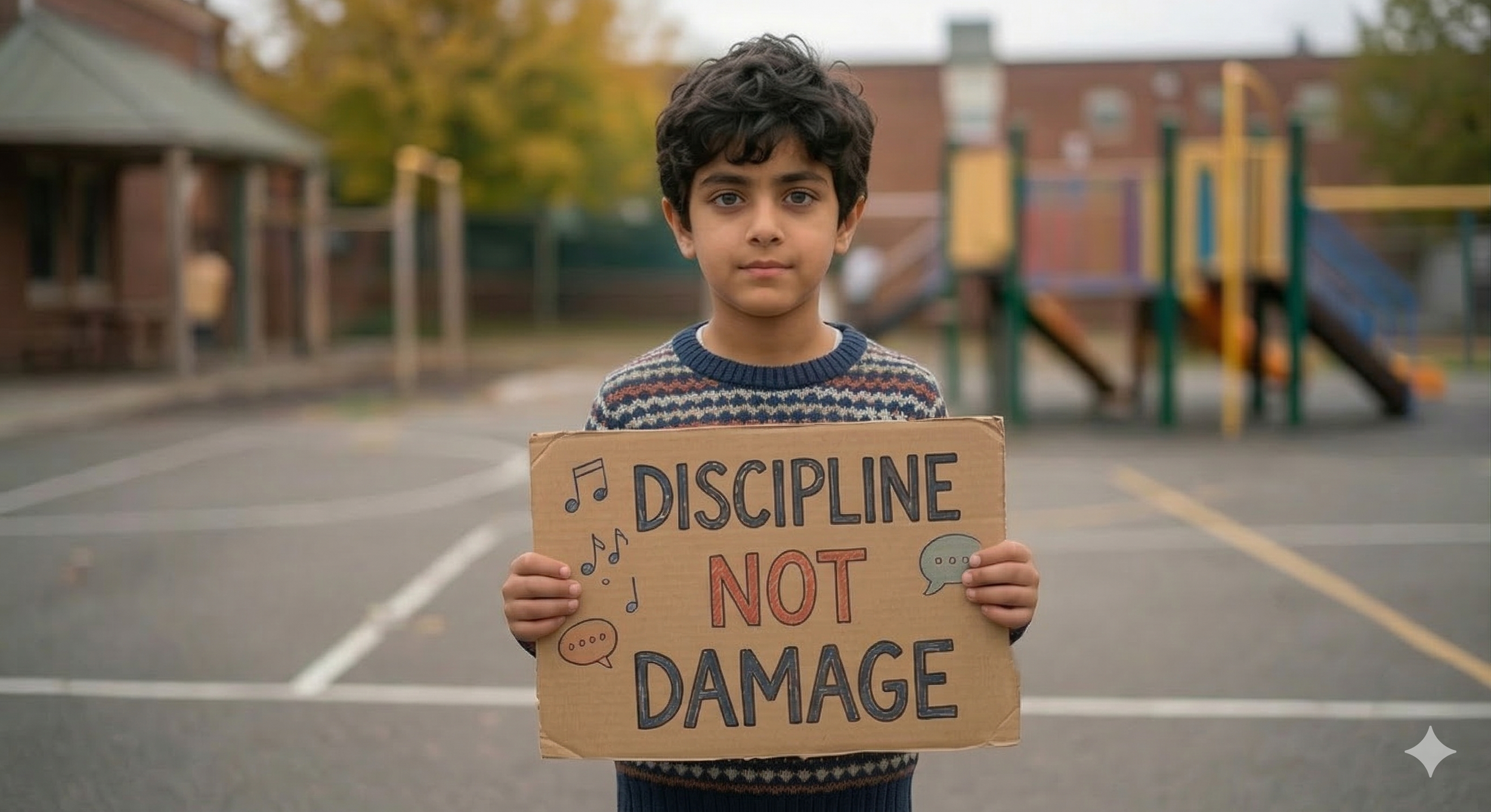
These stories are not isolated. They reflect what research consistently shows:
• Physical punishment often escalates over time
• Children internalize fear, shame, and confusion
• Anger is often redirected toward others
• Many cases are not investigated because there are no visible marks
When harm leaves no visible evidence, it is often treated as discipline — not abuse.
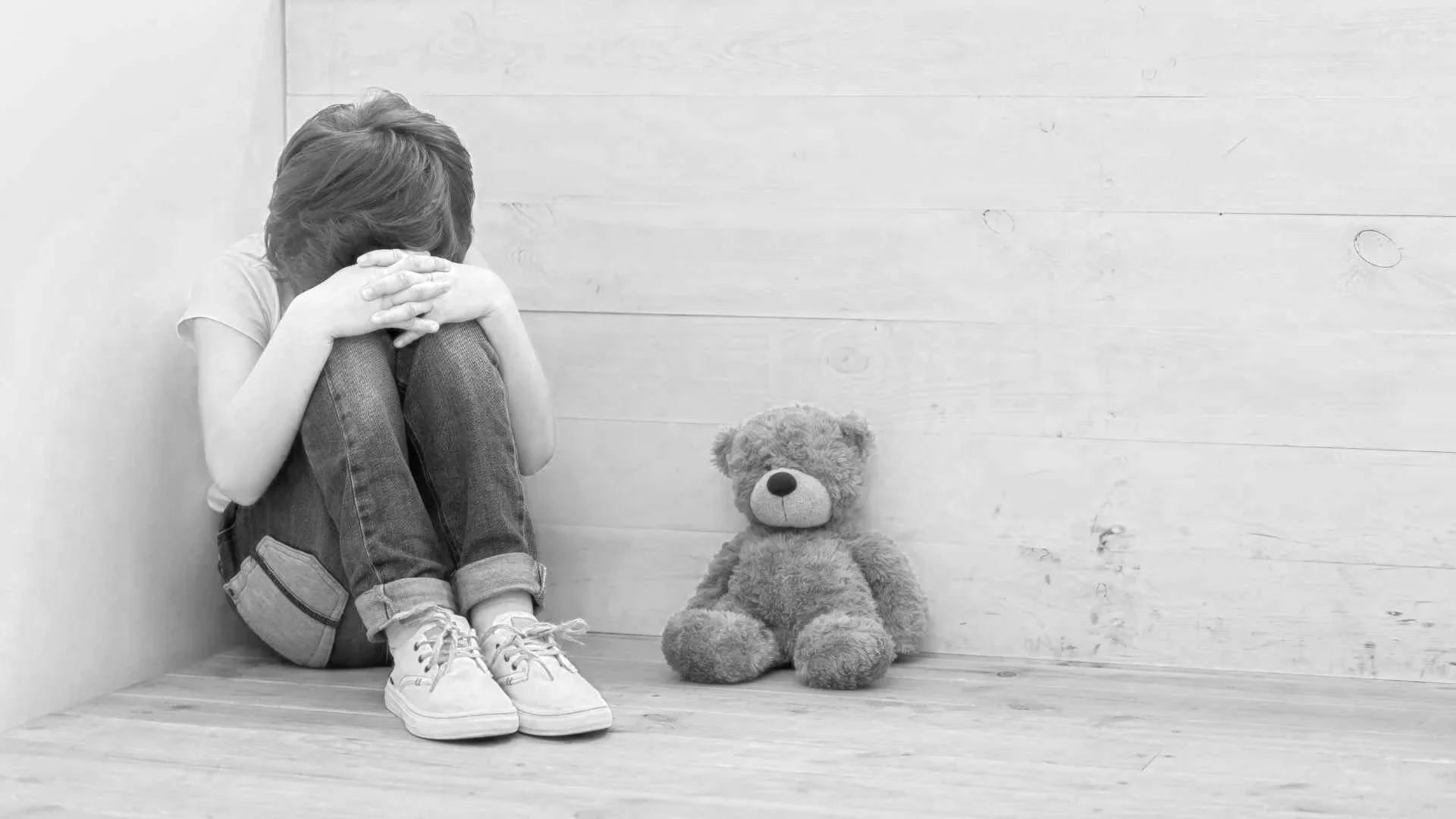
What It Feels Like to a Child
Children don’t experience corporal punishment as a form of discipline. They experience it as:
Fear
Being afraid of the people meant to protect them.
Shame
Believing they deserved what happened.
Confusion
Struggling to understand how love and harm can come from the same person.
Anger
Pain turning outward into aggression.
Anxiety
Living with constant tension at home and carrying it into school and relationships.
These Stories Shouldn’t Be Legal
Corporal punishment remains legal in California homes and private schools.
These stories show why that needs to change.
JOIN US
Fight to end corporal punishment in California, and the United States.
Join our email list. Stay informed of progress.
Share your story or the story of a student, patient, or client. Help others understand the negative impact of corporal punishment and the barriers to banning it.
Spread the word to others. We need to rewire the mindset around spanking, slapping, and other forms of corporal punishment.